
Sleep Disorders
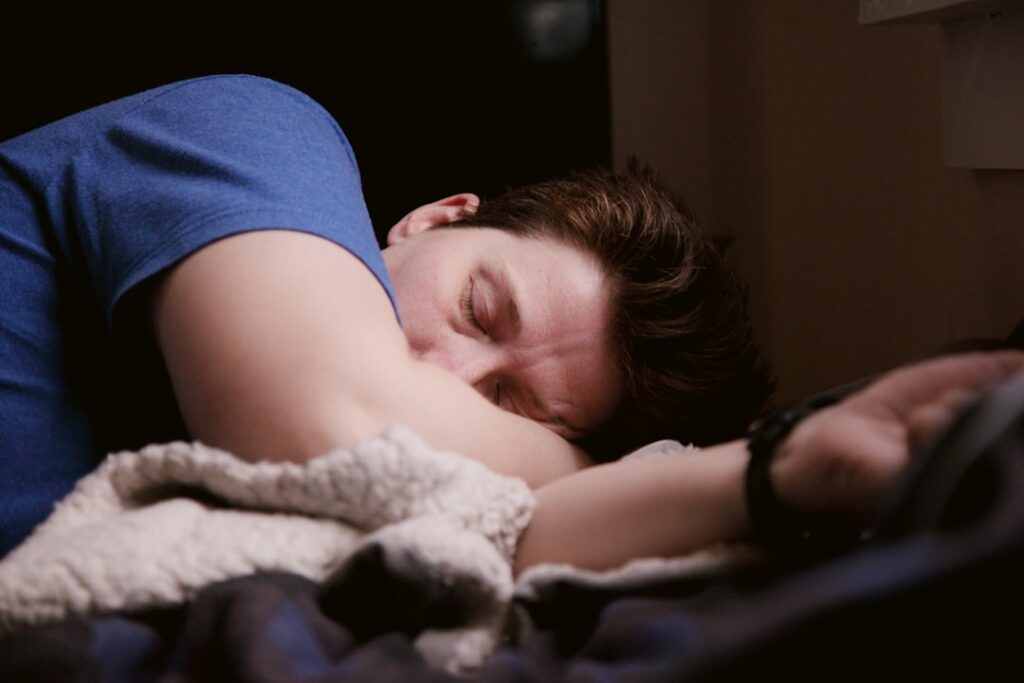
You lie down and your mind accelerates. Or you fall asleep easily but wake at 3am and cannot return. By mid-morning you are already counting the hours until you can try again.
What Sleep Disorders Are
Sleep disorders are conditions that disturb how much you sleep, how well you sleep, or when you sleep. The most common is insomnia: trouble falling asleep, staying asleep, or waking unrefreshed even when you had enough time in bed. A bad night now and then is normal. A pattern that keeps going deserves attention.
Sleep and mental health are closely linked. Stress, anxiety, and low mood can keep you awake. Poor sleep often accompanies depression, anxiety, ADHD, and PTSD, and can make each of them harder to manage. In many cases, treating the sleep problem also improves the wider picture.
What It Looks Like
Insomnia is the best known pattern, but not the only one. Some people sleep a full night and still wake exhausted. Others sleep at the wrong times, or sleep badly because of a breathing problem they do not know they have.
At night
- Lying awake for an hour or more before sleep comes
- Waking during the night and struggling to get back to sleep
- Waking 2 to 4 hours before the alarm
- A racing mind once the lights are off
The next day
- Waking exhausted even after enough hours
- Tiredness and low energy that carry through the day
- Trouble concentrating
- Low mood or a shorter temper
Timing and breathing
- Sleep and wake times that clash with work or social life
- Sleeping far more than usual, or struggling to stay awake in the day
- Loud snoring, or pauses in breathing that someone else notices
- Waking suddenly, gasping or choking
In children and teenagers, a change in sleep can be one sign that something else is wrong, alongside withdrawal, anger, or falling grades. Children do not always have the words to explain what they are going through. Children can also have sleep problems of their own. Regular loud snoring, restless sleep or pauses in breathing need a medical check, and a child who is sleeping badly may seem overactive rather than sleepy.
What Causes Sleep Problems?
Sleep problems often have more than one cause:
- Stress, anxiety, or low mood that keeps the mind active at night
- Habits and environment, such as irregular hours, screens, caffeine, or alcohol
- Medical causes such as sleep apnoea, pain, or hormonal changes
- Shift work or a body clock that is out of sync
How Sleep Disorders Are Assessed
We conduct a thorough sleep history, screening for contributing factors including anxiety, low mood, chronic pain, medications, caffeine, and lifestyle patterns.
Screening questionnaires such as the Insomnia Severity Index show how much sleep difficulty is affecting you. They are a starting point, not a diagnosis. Sleep apnoea is a breathing problem, so it needs a medical assessment of its own, often with an overnight sleep study.
Take our free, confidential Sleep Assessment. It takes about two minutes and your answers stay private.
Treatment Options
Treatment depends on what is keeping you awake. The main options are:
- CBT for insomnia (CBT-I). The first-line treatment for chronic insomnia. It is a structured talking therapy that works on the habits and thoughts that keep poor sleep going, and it has a stronger long-term evidence base than sleep medication.
- Treating the cause. Where a psychiatric condition is driving the sleep difficulty, this is assessed and treated concurrently.
- Sleep habits and routine. Regular sleep and wake times, less caffeine and alcohol, and less screen time before bed support treatment. They do not replace it.
- Medication. It may help in the short term. The decision is your clinician’s, and on its own it does not fix the cause.
CBT-I is part of the Lifestyle Medicine service at Top Medical Care. Read about Lifestyle Medicine →
Neurofeedback
Neurofeedback is also used at Top Medical Care for sleep difficulties, particularly those driven by dysregulated arousal. Evidence for neurofeedback in insomnia is limited, and insomnia guidelines do not include it among recommended treatments, so CBT-I comes first. Read about neurofeedback →
When to Get Help
Book an assessment if poor sleep has lasted more than a month and is affecting your daily life, your mood, or your health, or if you rely on medication or alcohol to sleep. If better habits have not helped, look at what sits underneath. A few bad weeks often settle once the stress passes. When poor sleep keeps going, the habits and worries that grow around it can keep it going after the first trigger has gone, so it is worth getting help.
Get a medical assessment promptly if you snore loudly and are sleepy through the day, if someone sees you stop breathing in your sleep, or if you wake gasping. These can be signs of sleep apnoea.
If you are having thoughts of ending your life or harming yourself, do not wait for an appointment. Call the Royal Oman Police on 9999 or go to your nearest emergency department.
Frequently Asked Questions
Is insomnia just caused by stress?
Stress is common, but sleep problems can also stem from medical issues or habits. A proper assessment looks for the actual cause.
Can anxiety or depression cause sleep problems?
Yes, and the link works both ways. Stress, anxiety, and low mood can keep you awake, and poor sleep can make each of them harder to manage.
Will sleeping pills fix it?
Medication may help short term, but lasting improvement usually comes from treating what keeps the sleep problem going, including the sleep habits and thoughts themselves.
When does poor sleep become a disorder?
When it happens regularly over weeks and affects your daytime energy, mood, or functioning.
Is snoring a sleep disorder?
Not always, but it can be. Loud snoring with daytime sleepiness, or breathing pauses that someone else notices, can be a sign of sleep apnoea and needs a medical assessment.
How much sleep do I need?
Most adults need at least seven hours. Teenagers need more, around eight to ten, and younger children more still. Needs differ a little between people. Regularly sleeping less than you need can affect health and alertness even when you feel fine. If you sleep enough hours but still wake unrefreshed or sleepy in the day, get it checked.
Can brain mapping help?
QEEG records brain activity while you are awake, so it cannot diagnose a sleep disorder. When sleep difficulties have not responded as expected to treatment, it can be one input to an assessment, alongside your history.
Do I need a referral?
No. You can book a confidential assessment directly.
Sources: NHS (nhs.uk), Mind UK (mind.org.uk), NIMH (nimh.nih.gov)
Not sure where to start?
A confidential assessment with Dr. Aziz Al Namani is the clearest next step. No referral or GP letter required.
Book an AssessmentRelated Services & Assessments
How we assess and treat this at Top Medical Care. Your clinician confirms the right path for you.
Take the first step.
Our clinical team in Muscat is ready to help. Book a confidential assessment — no referral needed.