
Brain Stimulation Therapies
Advanced Non-Invasive Solutions for Mental Health Recovery
Healing the Brain, Empowering the Mind
At Top Medical Care, we offer cutting-edge brain stimulation therapies that awaken your brain’s ability to heal itself. These science-backed treatments use safe, non-invasive technology to gently stimulate targeted brain areas—restoring balance and easing mental health symptoms.
Led by Dr. Aziz Al-Namani and his expert team, our neuromodulation treatments are especially effective for depression, anxiety, PTSD, OCD, and more. We combine technology with compassion to give you lasting relief, even when other treatments haven’t worked.
Here, you don’t just find hope—you feel it. Because healing your brain means reclaiming your joy, clarity, and strength.
- Non-Invasive & Painless
- Clinically Proven Results
- Personalized to Your Brain
- Safe for Long-Term Use
Explore Our Range of Advanced
Brain Stimulation Therapies Below
Specialization 1
Transcranial Magnetic Stimulation (TMS)
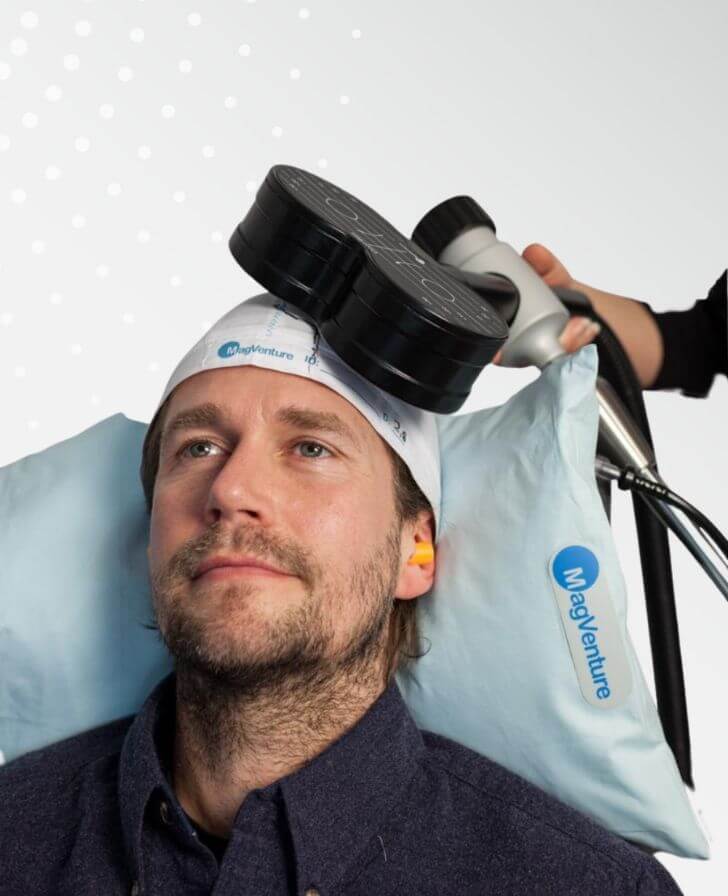
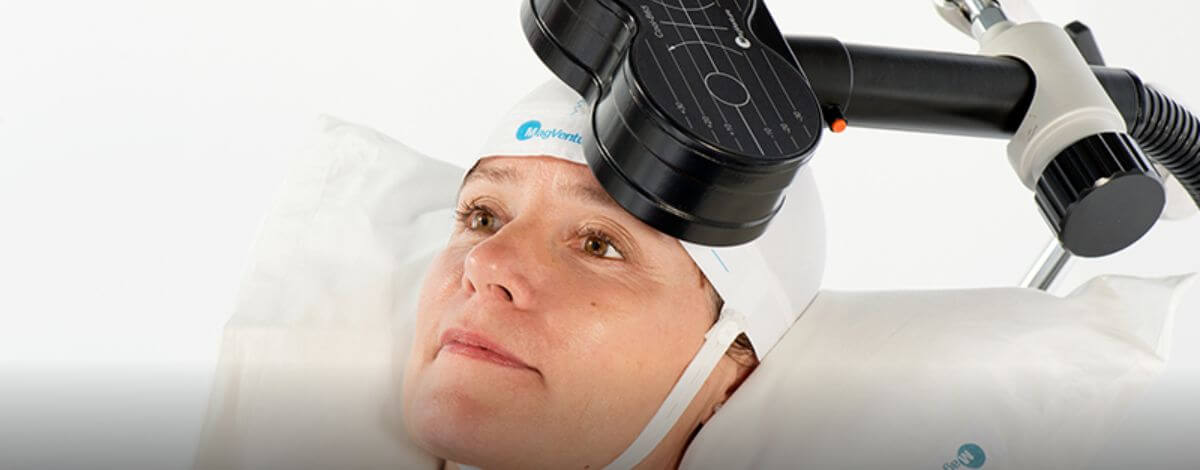
A highly effective, non-invasive treatment that uses magnetic pulses to stimulate areas of the brain involved in mood regulation. Proven to treat depression, anxiety, and OCD, especially in patients who haven’t responded to medication.
Specialization 3
Transcranial Direct Current Stimulation (tDCS)
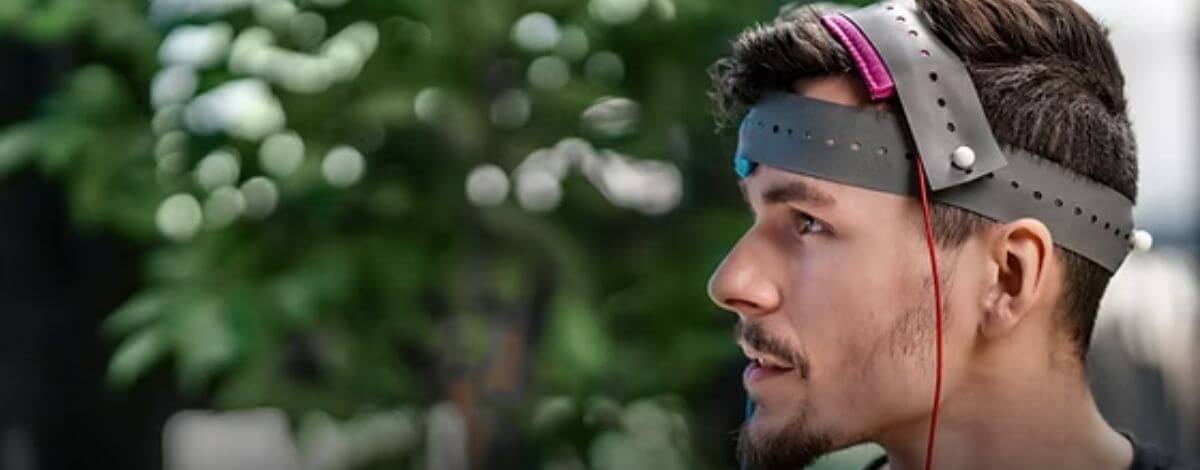
tDCS delivers low-level electrical currents to specific brain regions to support mood stabilization and cognitive enhancement. It is well-tolerated and effective for depression, brain fog, and chronic fatigue.
Specialization 2
Neurofeedback Therapy
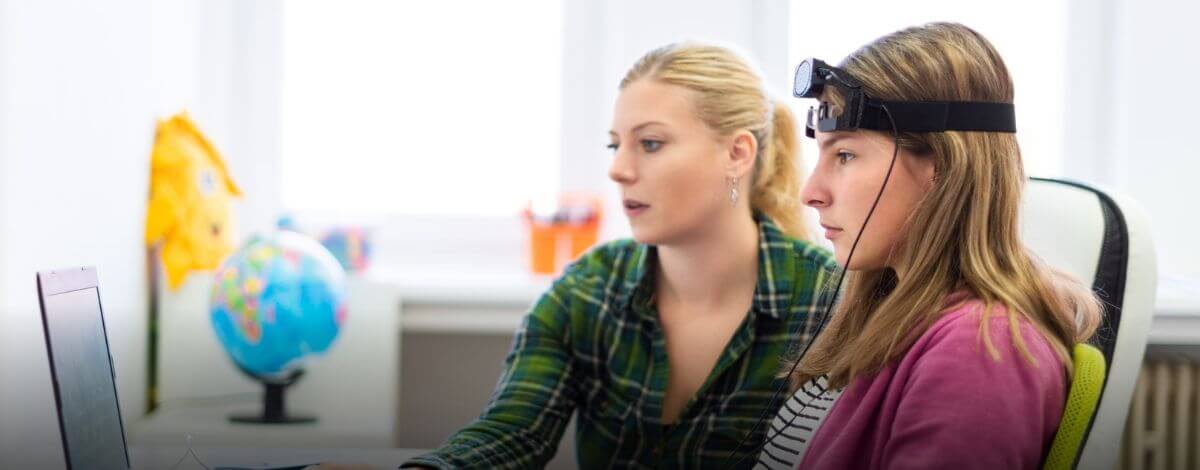
Also known as EEG biofeedback, this therapy trains your brain to self-regulate using real-time feedback. Ideal for managing ADHD, PTSD, anxiety, and sleep issues, it helps improve focus, mood, and resilience.

Specialization 4
Combination Therapy
Programs
We design personalized treatment plans that combine TMS, Neurofeedback, and tDCS to maximize results. Tailored to your unique condition, these programs offer the most comprehensive healing path for long-term recovery.
You have taken the tablets exactly as prescribed. You have waited the six weeks, then another six. You have been switched twice. And you are sitting in the same chair as a year ago, being told to try one more.
TMS is for that point. It does not work through the bloodstream, so it does not produce the weight gain, the flattened feeling or the loss of libido that made the last three medications hard to stay on. It works directly on the part of the brain that regulates mood.
How TMS works
Transcranial Magnetic Stimulation uses focused magnetic pulses, the same type used in an MRI scanner, to stimulate underactive areas of the brain involved in mood regulation. A coil is positioned against your scalp. The pulses pass painlessly through the skull and prompt nerve cells in the targeted region to fire.
Repeated over a course of sessions, this restores activity in a circuit that has become underactive. You are awake throughout. There is no anaesthetic, no sedation, and you drive yourself home afterwards.
Where a QEEG Brain Map has been done first, it can be used to inform where the coil is targeted, rather than relying on standard positioning alone. Read about QEEG Brain Mapping.
Success rates
TMS Therapy is transforming lives, especially for those who haven’t found relief with medication. In real-world studies, 83% of patients completing a full course of TMS therapy experienced noticeable improvement in their depression symptoms. Even more powerful, 62% achieved full remission, meaning their symptoms became so minimal they no longer met the criteria for major depression.1,2
This non-invasive, medication-free treatment has shown effectiveness even in treatment-resistant cases, with results lasting for 12 months or longer.5,8
What a course involves
A course of TMS is a series of short daily sessions across several weeks, rather than a single procedure. Each session takes roughly the length of a coffee break. Most people come before work or during a lunch hour and go straight back to their day.
Your clinician confirms your exact schedule after the initial assessment, because the number of sessions depends on your diagnosis and how you respond as the course progresses. Improvement is usually gradual. Many people notice sleep and energy shifting before they notice mood.
Side effects
The most common side effect is discomfort at the site of the coil during the session, and a mild headache afterwards. Both typically settle within the first week as you adjust, and respond to ordinary pain relief.
TMS does not cause memory loss and does not require anaesthetic. Seizure is a recognised but very rare risk, which is why we screen for a history of seizures, and for metal implants in or near the head, before starting. Tell your clinician about any implanted device, any history of epilepsy, and any medication you are taking.
Is TMS Right for You?
TMS may be appropriate if:
TMS is not a first step on its own. It follows a psychiatric assessment that establishes the diagnosis and rules out causes that need treating differently.
Cost
Fees depend on the length of the course your clinician recommends, so we confirm the full cost with you at the consultation, before anything is booked. Ask us about insurance coverage at the same time.
Common questions
Does TMS hurt?
You feel a tapping sensation against the scalp and hear a clicking sound while the coil is active. Most people describe the first session as strange rather than painful, and stop noticing it within a few sessions.
Will I need to stop my medication?
No. TMS is often given alongside existing medication. Any change to your prescription is a decision for your psychiatrist, made separately, and never something to do on your own.
Can I drive afterwards?
Yes. There is no sedation and no recovery period. You can drive yourself to and from every session and return to work directly.
How soon will I feel different?
Most people notice change partway through the course rather than in the first week. Sleep and energy often shift before mood does. Your clinician tracks this with you at each review.
What happens if it doesn’t work?
Not everyone responds, and we tell you that at the start. Your clinician reviews progress during the course, and if TMS is not helping, you discuss the alternatives rather than continuing regardless.
Is TMS available for children?
Assessment and treatment for children and adolescents is handled by our Child & Adolescent team, who will advise what is appropriate by age.
Figures cited are from published real-world outcome data for TMS in major depression. Individual results vary. This page is general information, not medical advice.
Ask whether TMS is right for you
A consultation establishes the diagnosis first, then whether TMS fits. No referral is needed to book one.